Namma Metro Blue Line and Hennur Road: What It Means for Buyers
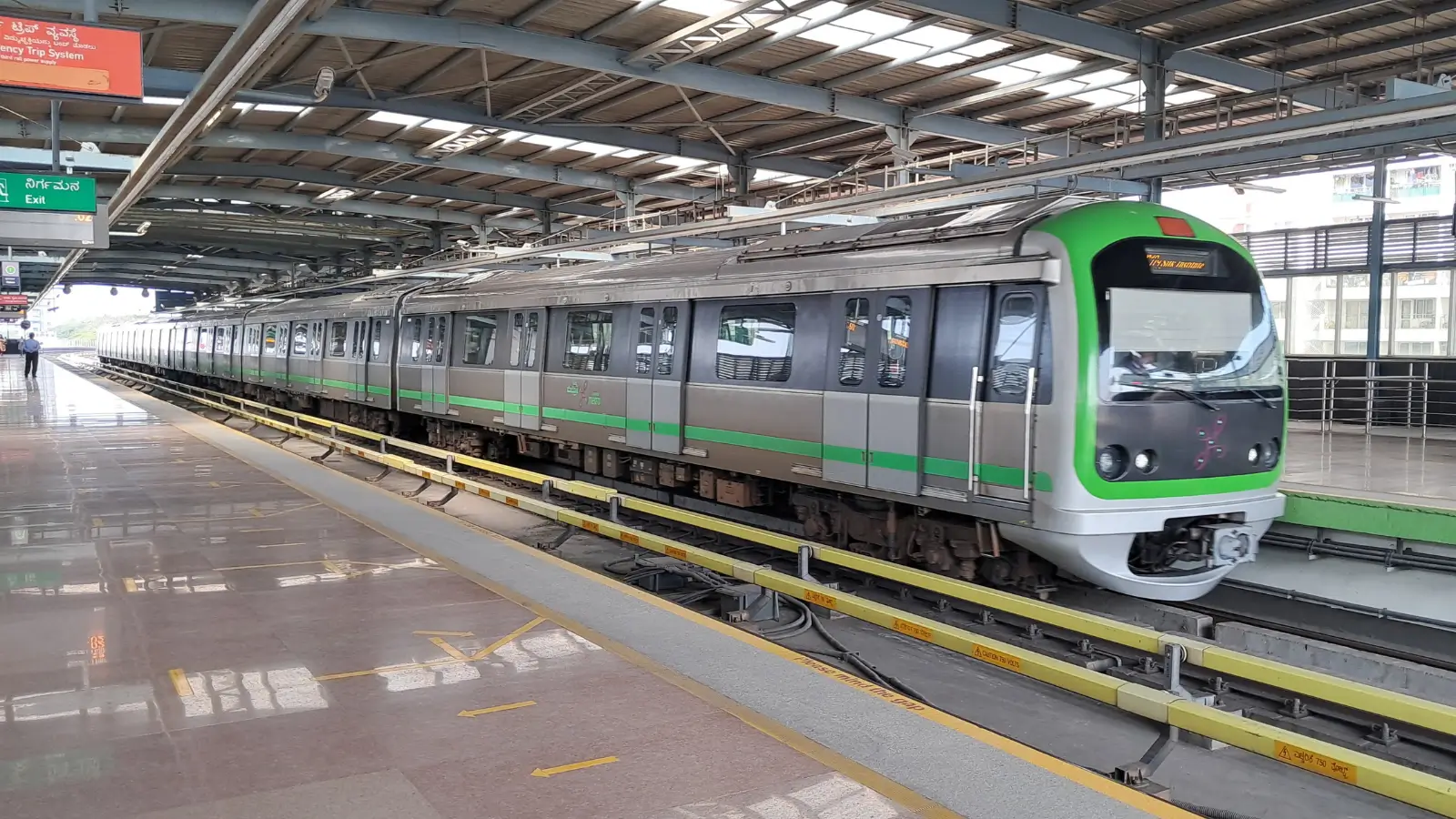
Hennur Road metro connectivity explained: the Blue Line, the Nagawara interchange and what it means for buyers - read honestly. Enquire now
Metro access changes how a corridor is valued, but only if you read the timelines honestly. Hennur Road metro connectivity is a real and improving asset, yet it is one that arrives in stages rather than overnight. This piece explains what the Blue Line brings to the corridor, where it connects, and how a buyer should factor rail that is coming rather than complete.
The Blue Line and Nagawara
The Namma Metro Blue Line runs across the northern belt, and the Blue Line Nagawara interchange is the node that matters for this corridor. Nagawara sits close to the Hennur stretch and acts as the key interchange, where the Blue Line meets other parts of the network. For a resident, an interchange is more valuable than a plain station, because it multiplies the destinations reachable without changing to road transport.
The Pink Line Feed
The network effect strengthens with a second line. The Pink Line feeds the same Nagawara node, so the corridor is served by two converging lines rather than one. That convergence is what lifts Hennur Road metro connectivity above a single-station story - it means residents can reach a wider spread of the city by rail, which is precisely the kind of access that supports long-term demand for homes near the node.
What It Means for Home Values
Metro proximity tends to firm property values, and buyers looking at apartments near Hennur metro are effectively positioning ahead of commissioning. North Bengaluru’s luxury band carries an expected 5-10% uplift in the immediate metro catchment as lines near service, on top of the base appreciation outlook. That premium is a reason the corridor draws forward-looking buyers, though it should be read as a supported expectation rather than a guarantee.
Reading the Timeline Honestly
Here is the caveat that keeps this grounded. Metro lines commission in phases, and dates can move with construction and approvals. A buyer should treat rail access as a strong medium-term direction, verified against official updates, rather than a line already carrying passengers past the door. The value is real; the timing needs checking, and a home should stand on its other merits even if a line slips.
Metro and the Daily Commute
Rail complements the road network rather than replacing it. For trips the ORR handles poorly - cross-city journeys, airport-adjacent nodes, congested central stretches - the metro offers an alternative that does not sit in traffic. That redundancy is the practical benefit: a resident near the Nagawara interchange gains a second way across the city, which matters most on exactly the days the roads are worst.
How to Factor It In
Weigh the metro as an improving asset, not a finished one. Confirm the current status and expected timelines on official sources, judge the walking or short-drive distance to the node, and let rail be one input among several. If the home works on connectivity, product and price without the metro, the arriving line is upside rather than the whole case - which is the safest way to value infrastructure that is on its way.
Walking Distance and the Last Mile
A station's value depends on how you reach it. Judge the last-mile connection from a specific home to the Nagawara node - whether it is a short walk, a feeder ride or a quick drive - because that final stretch determines how often you will actually use the metro. A line near the corridor helps everyone; a line you can reach easily on foot or by a brief hop helps you specifically. Factor the real last-mile experience, not just the straight-line distance to the interchange on a map.
Rail as a Hedge Against Traffic
The deeper value of the metro is what it protects you from. As Bengaluru grows, road congestion is the near-certainty every resident plans around, and a rail option near your home is a hedge against exactly that. On the days the roads are worst, the line near Nagawara offers a way across the city that does not sit in traffic. That optionality - road when it flows, rail when it does not - is worth more over a long ownership than any single journey time on an uncongested morning.
To sum up, Hennur Road’s metro story rests on two lines converging at Nagawara, a genuine long-term strength for the corridor. Verify the timelines, treat the catchment premium as supported expectation, and let rail add to a case the fundamentals already make.
Related reading: hennur road to airport commute.
FAQs
Is Purva Horizon near the metro?
The Blue Line crosses the northern belt with Nagawara as its key interchange, and the Pink Line feeds the same node, serving the corridor with two lines.Why is the Nagawara interchange important?
An interchange multiplies reachable destinations by letting the Blue Line meet other parts of the network, which is more valuable than a plain station.Does metro proximity raise home values?
It tends to. North Bengaluru’s luxury band carries an expected 5-10% uplift in the immediate metro catchment as lines near service.Is the metro already running past the corridor?
Lines commission in phases and dates can move. Treat rail as a strong medium-term direction and verify timelines on official sources.How should I factor the metro into a decision?
As upside on a case the product, connectivity and price already make - not as the whole reason to buy.
Related Articles

How the Startup Ecosystem Shapes Bangalore Real Estate
Bangalore startup real estate impact: how the startup ecosystem shapes housing demand and the high end, weighed with caution about a volatile sector.

Government Infrastructure Push and Bangalore Property Values
Bangalore infrastructure real estate impact: how the government's metro, PRR and road push lifts northern property values, weighed honestly.

Bangalore's IT Economy and Its Pull on North Bangalore Housing
Bangalore IT economy real estate: how the city's vast tech workforce pulls housing demand to the north, and how durable that connection is.
SEZs and Business Parks: Their Effect on North Bangalore Prices
SEZ impact North Bangalore real estate: how business parks like Manyata lift nearby prices and rents, and where the concentration risk lies.