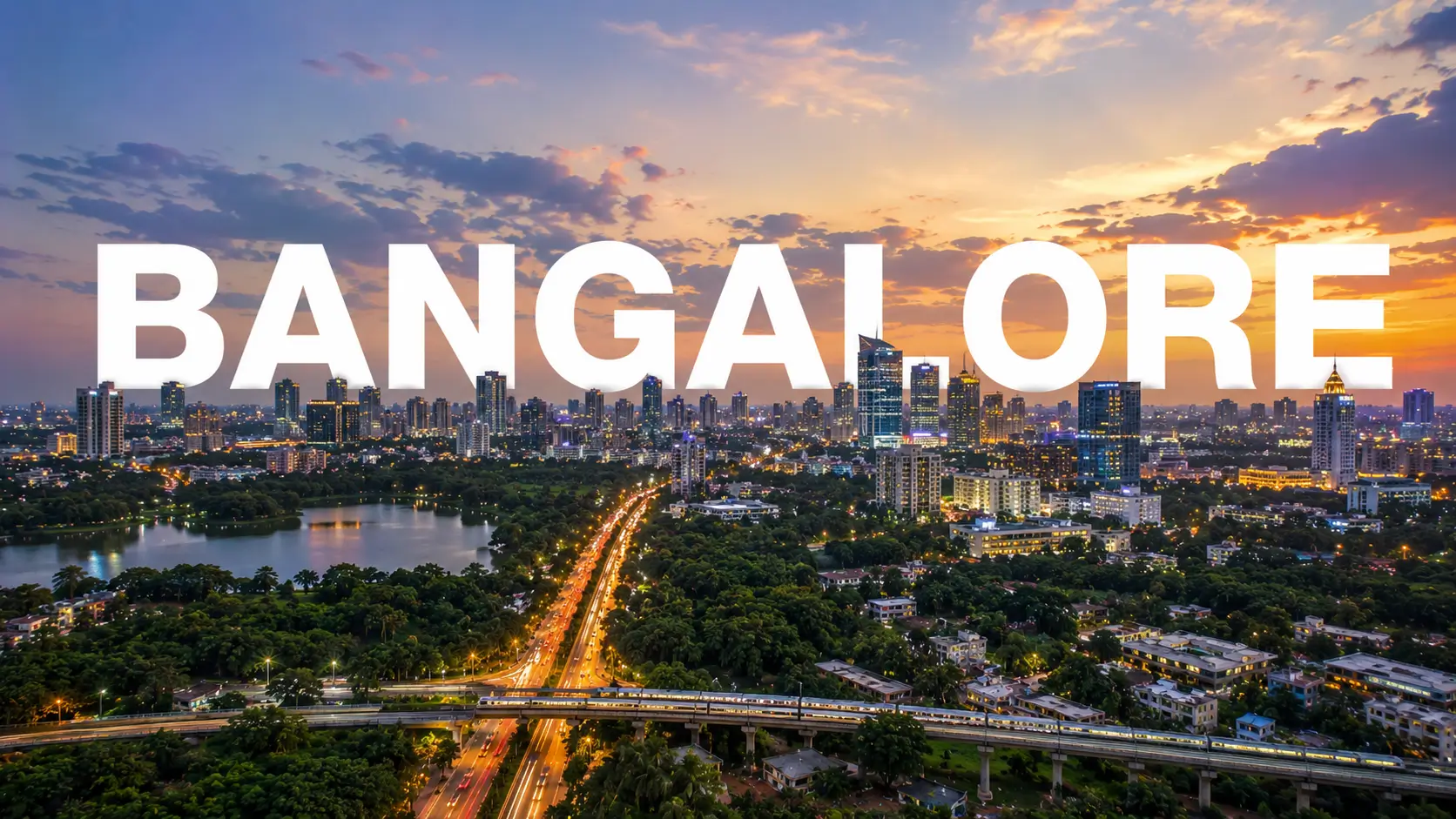
Bangalore property investment city: the real strengths behind the reputation and the honest risks, for a grounded view of investing in 2026.
Bangalore's reputation as a leading property market is well earned, but reputation alone is a poor basis for a purchase. Examining why Bangalore property investment city status endures - and where the caveats lie - gives a buyer a grounded view rather than a marketing one. This piece sets out the genuine strengths and the honest risks of investing in the city in 2026.
The Employment Foundation
Jobs underpin everything. Bangalore hosts over a million technology professionals and a substantial share of India's IT exports, which creates the deep, sustained housing demand that makes it a Bangalore property investment city in the first place. A market built on a large, well-paid, growing workforce rests on firmer ground than one built on speculation, and this employment foundation is the single biggest reason to invest in Bangalore real estate over more sentiment-driven markets.
The Growth Numbers
The data supports the reputation. Bangalore ranks among the world's fastest-growing cities, with a strong GDP growth outlook, and base residential prices have risen about 12% year on year, placing it among the stronger residential markets globally while remaining more affordable than older metros. For Bangalore real estate 2026 prospects, these figures describe a market with real momentum - though, as always, past growth describes the record rather than guaranteeing the future.
Relative Affordability
Value matters as much as growth. Compared with Mumbai or Delhi, Bangalore offers premium housing at lower per-square-foot rates, which leaves more room for appreciation and makes entry more accessible. This relative affordability is part of why it remains a Bangalore property investment city - investors get quality product at prices that still have headroom, rather than paying peak rates for a market that may have less room to run. Affordability with growth is a favourable combination.
Diversification and Resilience
Bangalore's economy is broadening. Beyond IT, the city has growing biotech, aerospace, manufacturing and startup sectors, which diversifies the employment base that housing demand rests on. This diversification makes the case to invest in Bangalore real estate more resilient than a single-sector story, cushioning the market against a downturn in any one industry. A broader economic base is a genuine strength for long-term property values.
The Honest Risks
No market is without risk, and honesty requires naming them. Bangalore's growth brings infrastructure strain and traffic; property cycles turn, so appreciation is not linear; oversupply in some segments can cap gains; and heavy reliance on the tech sector, though diversifying, remains a concentration risk. Bangalore real estate 2026 is a strong market, but a buyer should weigh these risks rather than accept the city's reputation uncritically - a top market can still contain poor individual investments.
What It Means for a Buyer
Reputation sets the context; the specific home decides the outcome. Bangalore's status as a leading Bangalore property investment city is a reason for confidence in the broad market, but returns come from buying a good home, in a good location, at a fair price, and holding sensibly. Use the city's strengths as a favourable backdrop, verify the specific corridor and project, and remember that even India's top property city rewards diligence over assumption.
In short, Bangalore remains a leading investment city on the strength of deep employment, real growth, relative affordability and a diversifying economy - balanced against traffic, cycles and sector concentration. Let it be the backdrop to a well-chosen individual home, not a substitute for diligence.
Related reading: nri investment hennur road.
FAQs
Why is Bangalore a top property investment city?
Deep employment from a million-plus tech workforce, strong growth, relative affordability versus Mumbai and Delhi, and a diversifying economy.How has the market grown?
Bangalore ranks among the world's fastest-growing cities, with base residential prices up about 12% year on year - strong momentum, though past growth is not a guarantee.Is Bangalore affordable?
Relatively - it offers premium housing at lower per-square-foot rates than Mumbai or Delhi, leaving more room for appreciation.What are the risks?
Infrastructure strain and traffic, property cycles, possible oversupply in some segments, and reliance on the tech sector despite diversification.How should a buyer use the city's reputation?
As a favourable backdrop - returns still come from a good home, location and price. Verify the specific corridor and project rather than assuming.
Related Articles

How the Startup Ecosystem Shapes Bangalore Real Estate
Bangalore startup real estate impact: how the startup ecosystem shapes housing demand and the high end, weighed with caution about a volatile sector.

Government Infrastructure Push and Bangalore Property Values
Bangalore infrastructure real estate impact: how the government's metro, PRR and road push lifts northern property values, weighed honestly.

Bangalore's IT Economy and Its Pull on North Bangalore Housing
Bangalore IT economy real estate: how the city's vast tech workforce pulls housing demand to the north, and how durable that connection is.
SEZs and Business Parks: Their Effect on North Bangalore Prices
SEZ impact North Bangalore real estate: how business parks like Manyata lift nearby prices and rents, and where the concentration risk lies.